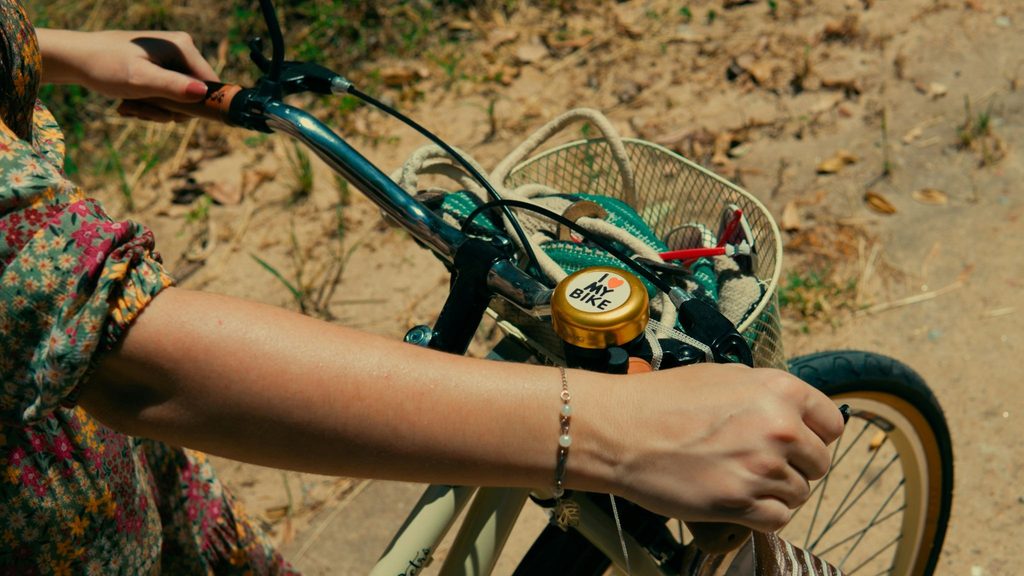
Why I Put Down My Bike in Bali (And What I Found When I Did)
I’ve cycled through a lot of places. I like the pace of it, fast enough to cover ground, slow enough to actually see things. It’s become the default lens through which I explore anywhere new.
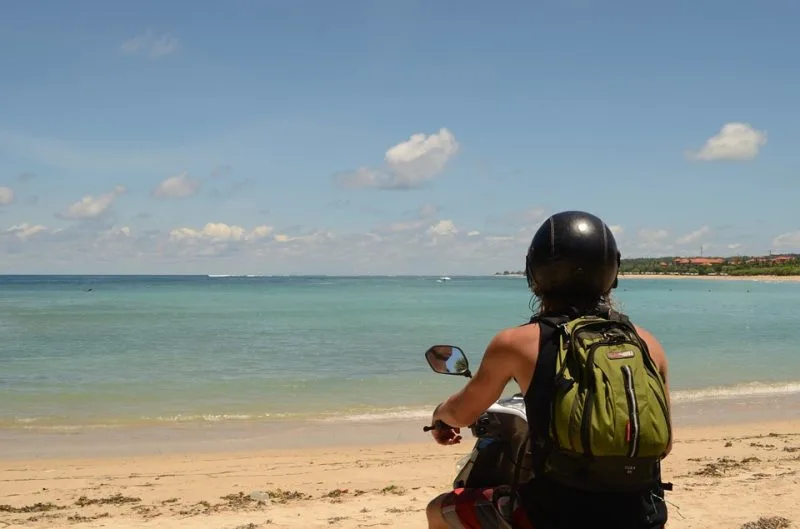
Bali was the first place in years where I put the bike aside and did something different. Not because cycling isn’t good , but because someone made a compelling argument for a different kind of movement, and they turned out to be right.
What Cycling in Bali Actually Looks Like
The cycling routes in Bali are genuinely excellent if you know where to go. The northern highlands around Kintamani and the quieter roads between Ubud and Tegalalang are everything you’d want from cycling in a tropical landscape: minimal traffic, continuous visual variety, long descents after hard climbs.
The challenge is the main roads. Bali’s southern areas Seminyak, Kuta, Denpasar are difficult to navigate by bike because of the traffic density. The island rewards cyclists who stay on secondary routes, which requires either a good map or local knowledge. Without that, the first day can be genuinely discouraging.
Where the Best Cycling Views Are
For anyone planning a riding trip to Bali:
- Kintamani loop The road around the volcanic crater lake is one of the most visually dramatic cycling routes in Southeast Asia. Go early, before the tour buses arrive and the mist burns off.
- North Bali coastal road Significantly less traffic than the south, with long stretches of black sand beach and rice terrace views on the inland side. The road between Lovina and Amed along the north coast is underused and excellent.
- The roads connecting Ubud to Tegalalang pass through the working rice terrace landscape without the pedestrian crowds you get at the famous viewing platforms. Early morning, before the heat builds.
The Argument for Slowing Down Further
I met someone at a café in Ubud who made an argument I’ve been thinking about since. He said Bali is one of those places where cycling actually moves too fast through the most interesting parts. The rice terrace footpaths, the temple courtyards, the back lanes of older villages you either need to be on foot or you need to stop.
He was part of a team running a bali instagram tour that approached movement differently. No bikes, no rushing. Small group, local guide, moving at the pace of looking rather than the pace of going somewhere. He described it as the best way to build spatial understanding of the island quickly.
I went the next morning out of curiosity more than anything else.
What I Found When I Stopped Moving Fast
The guide took us to locations I had cycled past twice without registering. A path off a main road that opens onto a panoramic rice terrace view that wasn’t on any map I’d been using. A temple compound at dawn where the morning light creates something specific that disappears by 7:30 AM.
As a cyclist, I’m familiar with the way a route changes when you know it well the difference between the first time on a road and the tenth. The same logic applies here, just at a different scale. The guide wasn’t taking us to famous spots. He was pointing out what’s actually there versus what the tourist infrastructure has decided to make visible.
The morning gave me a mental map of the Ubud valley that the cycling alone wouldn’t have produced in a week.
The Photography Connection I Didn’t Expect
I take photos while cycling, but they’re almost always motion shots or landscapes grabbed on a descent. The tour was the first time I’d spent real time thinking about light direction, angle, and timing at a single location.
It changed how I photograph on rides now. I stop more deliberately. I think about where the light is before I pull out the camera. I wait for the moment instead of taking the shot and moving on.
The practical side of planning a trip that mixes cycling and other kinds of exploration transport, route logistics, what to book in advance I found well covered at Bali Touristic. Useful for the planning stage when you’re trying to figure out how to fit different activities together without wasting days in transit.
The Case for Mixing Modes
What I’d tell any cyclist heading to Bali: don’t treat riding as the only way to see the island. Plan the cycling days around routes that reward the specific pace of cycling the long climbs, the crater loops, the coastal stretches. Then build in time for the kind of slow, guided exploration that reaches the parts bikes can’t.
The northern highland routes for the physical challenge. The rice terrace footpaths and village back lanes for the time you’re willing to move slowly.
Both are worth doing. Neither is complete without the other.
What Bali Gets Right About Pace
Bali has a quality that a lot of heavily visited places don’t: it rewards slowing down without punishing you for moving. The best cycling days are the ones where you stop often. The best walks are the ones without destinations.
That’s a strange thing to say about one of the world’s most visited tourist islands. But the place manages to maintain pockets of genuine quiet and unhurried pace even now. Find those pockets. Whether by bike or on foot, that’s where the island actually lives.